

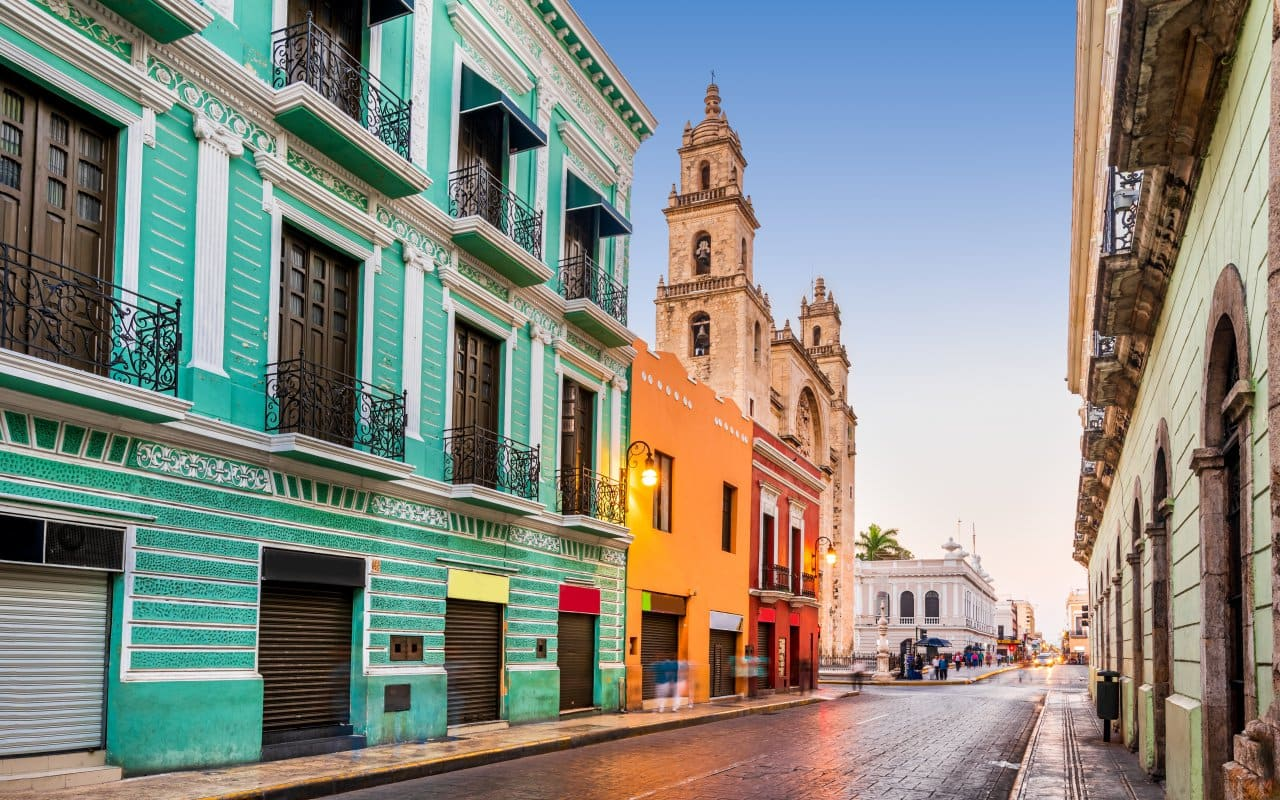

Merida, officially known as Mérida de Yucatán, stands as the vibrant cultural and historical capital of the Mexican state of Yucatán. It is affectionately called “La Ciudad Blanca” (The White City) due to its pervasive use of white limestone and its reputation for cleanliness and tranquility. Merida offers an essential alternative to the high-density tourist corridor of Cancun, providing travelers with an authentic, deep-dive experience into Mexico’s profound Mayan and Spanish colonial heritage.
This guide leverages firsthand experience and geo-specific insights to detail the top 10 activities that define a perfect 2-3 day itinerary. Our goal is to ensure you maximize your visit, achieving a unique understanding of Yucatecan life, history, and natural beauty.
Why Merida is the Safest Cultural Hub in the Yucatan
Merida’s reputation for being one of the safest major cities in Mexico is a key draw for expats and travelers seeking a relaxed atmosphere. This stability is not accidental; it is rooted in strong community engagement and cultural pride.
Understanding Yucatecan Safety and Essential Logistics
While safety levels are high, smart travel planning always involves awareness of local customs and practicalities.
- Petty Crime: As in any major city, minor theft can occur. Maintain situational awareness, especially in crowded market areas and on public transport.
- Currency and Payments: The Mexican Peso (MXN) is the required currency. While major restaurants and hotels accept credit cards, cash is essential for street vendors, smaller colectivos, and tipping.
- Tipping Culture: Tipping is customary and expected. Standard practice is 10-15% in restaurants. Tip service staff, hotel porters, and tour guides to acknowledge their service quality.
- Hydration and Heat: The climate is tropical. Between April and September, extreme heat and humidity are common. Always drink bottled or purified water to prevent illness.
The 10 Essential Experiences in Merida
1. Explore the Historic Heart: Plaza Grande
The Plaza Grande, or Zócalo, is the definitive starting point for any Merida itinerary. This historic public square is the focal point of the Centro Histórico, surrounded by the city’s most significant colonial structures. Dedicated time here immediately grounds you in the city’s identity.
- Architectural Significance: The square is flanked by the Catedral de San Ildefonso (Merida Cathedral), the oldest cathedral on the continental Americas, and the Palacio de Gobierno (State Government Palace).
- Activities: Take the free walking tour offered near the Municipal Palace. In the evenings, the square transforms into a cultural marketplace, featuring live music, street food vendors, and traditional Yucatecan dancing.
- Entity Reinforcement: Focus on the history of the Merida Cathedral to link the city directly to its Spanish colonial founding.
2. Witness Opulence on Paseo de Montejo
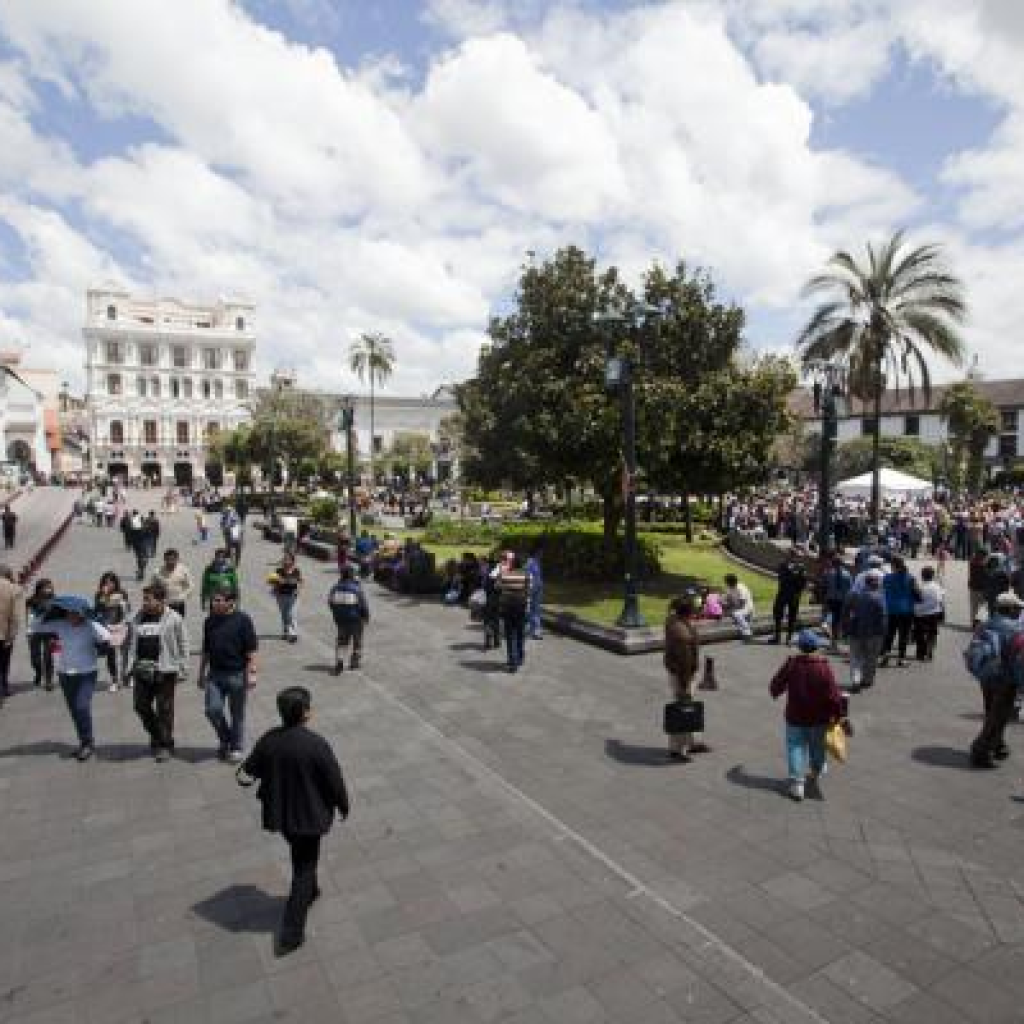
The Paseo de Montejo is Merida’s grand boulevard, named for the Spanish conqueror of the Yucatán. It is the architectural testament to the city’s Gilded Age (late 19th and early 20th centuries) when Merida experienced immense wealth from the henequen (sisal fiber) industry.
- Historical Context: The street is lined with stunning, European-style mansions (casonas), built by the wealthy barons of the Henequen Industry. These structures mimic French and Italian architectural styles, showcasing the economic power that flowed through the peninsula.
- Must-See Sites: Stop at the Palacio Cantón (Regional Museum of Anthropology) to appreciate its stunning architecture and contextualize the region’s ancient history.
- Activity: Stroll the street, particularly during Sunday closures when it becomes a pedestrian and cycling path.
3. Uncover Ancient History: The Mayan Ruins Circuit
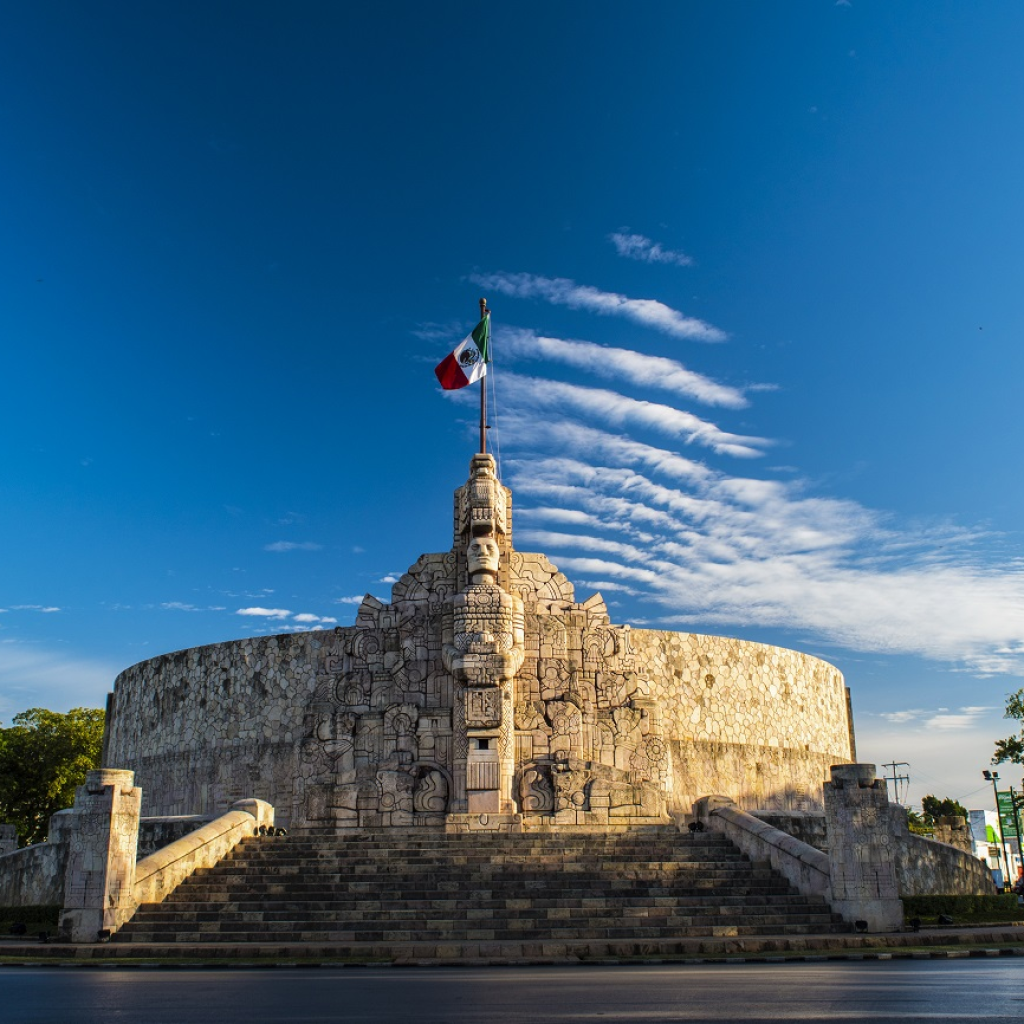
Visiting the crumbling cities and massive stone pyramids built by the ancient Mayan Civilization is arguably the most essential day trip from Merida. The Yucatán Peninsula is a global archaeological treasure, and Merida is ideally situated for access.
- Uxmal Mayan Ruins: Located approximately one hour south, Uxmal is a stunning example of Puuc architecture. Its most famous structure, the Pyramid of the Magician, is unique due to its rounded corners and elliptical base. Uxmal offers substantial scale without the overwhelming crowds of its more famous counterpart.
- Mayapan Ruins: Often less crowded, Mayapan offers a look at a later period of Mayan history, serving as a political capital after the decline of Chichen Itza. Its structures closely resemble the major temples of Chichen Itza, allowing for a more intimate, reflective experience.
- Chichen Itza (UNESCO World Heritage Site): Though 1.5 hours away and heavily touristed, the sheer scale and mathematical precision of the El Castillo pyramid make it indispensable. For the best experience, arrive immediately at opening time.
4. Dive into the Underworld: Cenotes near Chicxulub
The Cenotes are natural swimming holes formed by the collapse of limestone bedrock, revealing groundwater. These subterranean and semi-open pools are not just unique; they are directly related to a global geological event.
- Geological Connection: Merida sits near the edge of the Chicxulub Crater, the impact site of the asteroid believed to have caused the extinction of the dinosaurs 66 million years ago. This impact created a massive ring of fractures, which subsequently filled with water, forming the density of cenotes found nearby.
- Types of Cenotes to Visit:
- Cave Cenotes (e.g., Cuzama): Completely underground, offering a mystical experience with filtered light.
- Open Cenotes (e.g., Yax Bacaltun): Fully open to the sky, perfect for swimming and sunbathing.
- Logistics: The Cuzamá and Homún circuits offer accessible clusters of cenotes, often toured via unique horse-drawn carts (trucks) running on old railway lines.
5. Savour Authentic Yucatecan Cuisine
Yucatecan food is a distinct regional style, blending indigenous Mayan ingredients and techniques with Spanish, Caribbean, and even Lebanese influences. It is markedly different from the Tex-Mex or Northern Mexican cuisine most travelers are familiar with.
- Signature Dishes You Must Try:
- Cochinita Pibil: Slow-roasted pork marinated in achiote paste, wrapped in banana leaves, and cooked in an underground oven (pib).
- Sopa de Lima: A classic lime soup with shredded chicken, tortilla strips, and lime juice—a quintessential regional dish.
- Pavo Relleno Negro: Turkey stuffed and braised in a dark, complex mole made from burnt chiles (chiles secos).
- Dining Recommendations: Visit Manjar Blanco for a traditional experience or the Museo Gastronomia Yucateca for a modern setting that educates you on the food’s history.
6. Relax at the Coast: Progreso Beach & Pier
If you crave the Gulf Coast’s warm, shallow water, the port town of Progreso is only 45 minutes north of Merida. It serves as Merida’s closest beach escape.
- The Malecon: Progreso features a clean, modernized boardwalk (malecón) lined with seafood restaurants and bars. It is an ideal spot for a relaxing afternoon.
- Logistics: Easily accessible by inexpensive ADO bus from Merida’s city center. While the cruise ship terminal occasionally brings large crowds, the beach remains family-friendly and well-maintained.
7. Step Back in Time: The Grand Haciendas
Staying at or visiting a renovated Hacienda is a transformative experience, offering a direct link to the colonial era’s agricultural past. These large estates were the engines of the henequen industry.
- The Experience: Many former haciendas have been converted into boutique hotels, such as Hacienda San Antonio or The Diplomat. These properties often retain their massive stone architecture, high ceilings, and stunning central courtyards, providing a luxury stay at surprisingly competitive rates compared to coastal resorts.
- Value Proposition: This historical accommodation style reinforces the thematic link between Merida’s wealth and its surrounding agricultural history.
8. Immerse in Local Life: Parque Santa Lucía
Parque Santa Lucía is a smaller, more intimate park nestled a few blocks from the Plaza Grande. It is central to Merida’s vibrant social and dining scene.
- Cultural Feature: The park is famous for the Sillas Confidantes (Confidant Chairs) or Tu y Yo (You and I) chairs. These enlarged, interlocking chairs are designed to face each other closely, facilitating conversation between friends or romantic partners—a charming reflection of Yucatecan social life.
- Event: Plan a visit for the Thursday night Serenade, a traditional music and dance performance that draws large local crowds.
9. Deepen Your Knowledge: Merida’s Top Museums
Merida is rich in museums that cover the full spectrum of its history, from ancient Mayan culture to modern art.
- Mayan World Museum of Merida (Gran Museo del Mundo Maya): This massive, modern museum is dedicated solely to the history, culture, and achievements of the Mayan people. It is a necessary complement to visiting the ruins.
- Museo Casa Montejo: Located directly on the Plaza Grande, this is the former home of Francisco de Montejo, the city’s founder. It is preserved as a museum showcasing the opulent lifestyle of Spanish colonists during the 19th century.
- Palacio de la Musica: An interactive, state-of-the-art museum celebrating the history and evolution of Mexican music, including the local sounds of the Yucatán.
10. Timing Your Trip: The Best Time to Visit Merida
Strategic planning around Merida’s climate is essential for an enjoyable visit.
| Season | Months | Weather Characteristics | Recommendation |
|---|---|---|---|
| Peak Season | November – March | Mildest temperatures (20°C – 30°C), low humidity, virtually no rain. | Ideal for walking and day trips. Book accommodations early. |
| Shoulder Season | April, May, October | Hot and humid, increasing rain in October. | Fewer crowds, lower prices. Be prepared for intense heat. |
| Low Season | June – September | Highest humidity, daily afternoon rain showers, elevated hurricane risk. | Avoid if sensitive to heat. Great for budget travelers. |
Essential Logistics: Getting To and Around Merida
Merida is highly accessible via multiple transportation modalities, allowing travelers to choose based on budget and convenience.
Flying and Ground Transportation Options
- Air Travel: Merida International Airport (MID) offers direct flights from major US cities and connections through Mexico City.
- Mayan Train (Tren Maya): The newly constructed rail system connects Merida to Cancun and other points in the Yucatán Peninsula. It offers a fast, comfortable option for intercity travel.
- ADO Bus System: ADO is the primary bus company for the region. It provides reliable, affordable, and frequent routes from Cancun, Tulum, and other destinations.
Navigating the City: Colectivos and Taxis
Within Merida, you have several choices for localized travel:
- Colectivos: Shared minivan taxis that run fixed routes. They are the most affordable way to travel within the city and between Merida and nearby towns like Progreso or Homún. They are found at dedicated stations near the Zócalo.
- Ride-Share Services: Services like Uber operate reliably in Merida, offering competitive rates and easy cashless payment for travel within the Centro Histórico and surrounding neighborhoods.
Merida is not just a destination; it is an experience that connects modern safety with deep, tangible history. By focusing on these 10 core activities, you will move beyond a superficial visit and secure a genuine understanding of the Yucatán Peninsula’s rich cultural tapestry.
0 Comment